
- Adobe Audition Vocal Enhancer
- Adobe Audition Vocal Presets
- How To Make Voice Sound Better In Adobe Audition
Cover image via
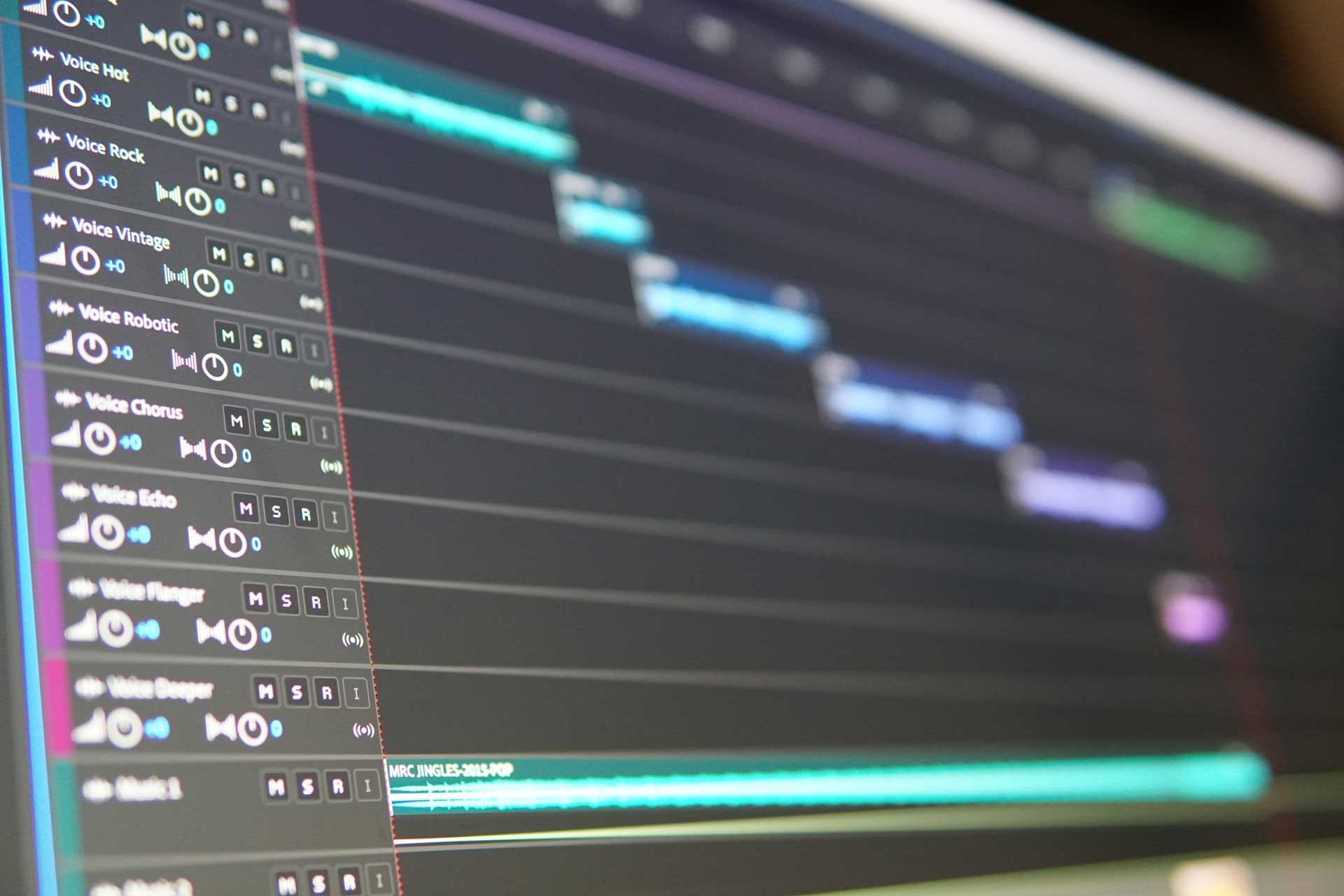
Take your voiceovers from good to great. In the following video tutorial you’ll pick up four handy techniques for upping the quality of your VO.
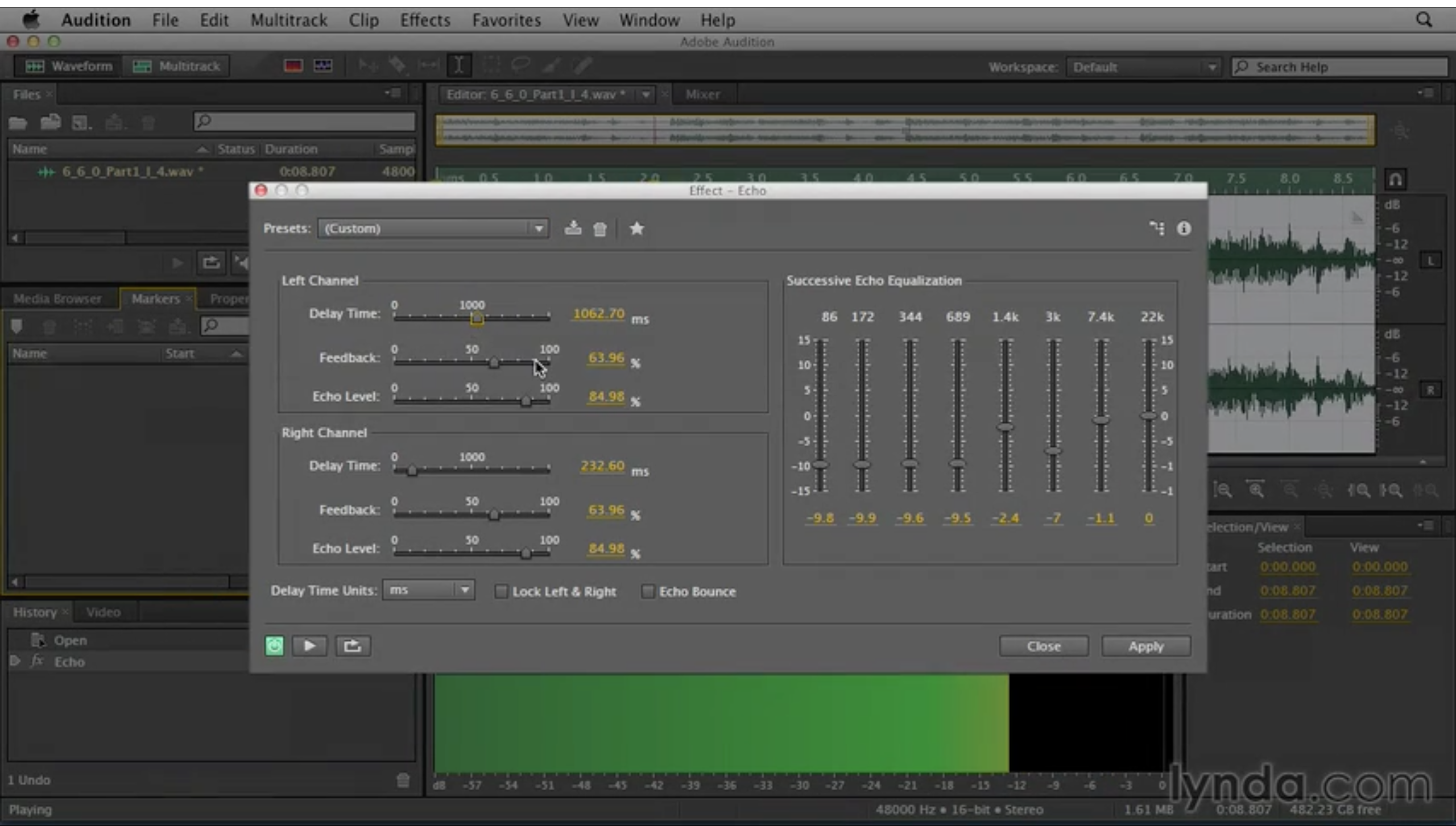
Get a Good Recording. Before you start tweaking settings, you’ll need a decent recording to work. Connecting to audio hardware in Audition; Customizing and saving application settings; Digital audio fundamentals. Understanding sound; Digitizing audio; Importing, recording, and playing. Multichannel audio workflow; Create, open, or import files in Adobe Audition; Importing with the Files panel; Extracting audio from CDs; Supported import formats. How To Remove Noise with Adobe Audition How to Remove Vocals & How to Isolate Vocals. Send to Premiere. Now it’s time to go back to Premiere, but first you will need to save your audio out of Audition. Simply hit Command+S and your audio will be automatically saved and replaced in your Premiere Pro timeline. Though Audition has many presets, you can always add more to your toolkit. You can find VST (Virtual Studio Technology) plug-ins online. Audition supports third-party 64-bit audio plug-ins in VST 2.4, VST 3.0 formats for macOS and Windows, and Audio Units for macOS.
Over the course of this 3 part class, we will take a look at what is digital audio, the adobe audition workspace and different types of audio displays, the multitrack and mixer session, we'll see how to do basic audio editing, how to record, how to remove background noises even difficult ones such as siren sounds or cellphone sounds, how to apply and work with sound effects, we'll take a look at the Vocal Enhancer.
As a filmmaker or video professional there’s a good chance you record voiceovers…a lot. Whether it’s for a corporate video or a podcast, getting great audio is crucial for making your work more professional.
Adobe Audition offers powerful tools to improve your voiceovers, even if the original recording was less than perfect. The following tutorial by YouTuber Mike Russell demonstrates four techniques to take your audio to the next level:
- Assigning Hotkeys
- Equalizing
- Normalizing
- Dynamics Rendering
This video was first shared by Mike Russell on his YouTube channel. Thanks for sharing Mike!
If you are interested in learning more about correcting audio issues in Audition check out the following resources:
Have any other tips for cleaning up vocals? Share in the comments below.
In our How to Mix Music guide we talked about why mixing dynamic sounds is a tough egg to crack. Vocals are super dynamic so they’re trickier to mix.
But you don’t have to pull your hair out every time you hit the mixing board to get the perfect vocal.
There’s a dizzying amount of audio effects plugins out there. That’s why we did the digging so you don’t have to.
Here’s 9 plugins that will help you get your vocals and beats fitting together like peas and carrots.
1. Vladg and Tokyo Dawn Proximity
Ever recorded an entire vocal only to realize you had the mic in the wrong spot? No sweat.
The Vladg and Tokyo Dawn Proximity lets you change the mic placement AFTER you record. Pretty useful and pretty cool.
2. Acon Digital Multiply Chorus
Vocals need some color. That’s where a chorus plugin comes in.
Acon Digital’s Multiply Chorus will thicken up your sound. It’s a whole bunch of tiny delays (we’re talking milliseconds) that fill out your vocals to liven them up a bit.
3. Melda MAutoPitch Auto-Tune
Auto-tune’s origins are pretty strange. But there’s no denying that it’s an invaluable tool for producers dealing with vocals.
Auto-tune is the vocal mixer’s secret weapon. MAutoPitch is one of the best auto-tune plugins around. It fixes pitch, corrects sour notes, and even gives you that iconic T-pain/Cher effect if you want it.
This one comes in a free plugin bundle with all sorts of fun mixing toys.
4. Voxengo OldSkoolVerb
Reverb for vocals is essential. Reverb takes your vocals out of the room you recorded them in, and allows you to make your own sound space.
OldSkoolVerb has got you covered no matter what your needs are. From huge halls to a tiny closet, it gives you all the options to create the perfect sonic space in your mix.

5. Klanghelm DC1A
The DC1A is a nifty little character compressor by Klanghelm. It uses sophisticated compression settings and an easy 2 knob setup that has you covered “from smooth levelling to heavy pumping.”
Be sure to check out their absolutely EPIC demo video.
6. Alex Hilton A1 Trigger Gate

If you’re wondering how far you can push your vocal track this plugin will do a great job letting you know.
Using a step-style sequencer the A1 Trigger Gate packs in a boat load of cool effects. It’s good for all sorts of stuff. So grab it and start experimenting.

7. Glitch Machines Hysteresis
Just like any other part of a mix, vocals are a great place to experiment. The effects on Hysteresis definitely deliver a whole bundle of experimentation.
This delay plugin creates “robotic artifacts and abstract music malfunctions.” Count me in.
8. Acustica Ochre EQ
Adobe Audition Vocal Enhancer
All good mixing needs a keen sense of EQ early on. Vocals are no exception.
That’s why the Ochre from Acustica is so useful. It’s perfect for sculpting out the best vocals you can.
9. Fine Cut Bodies La Petite Excite
Exciter plugins add subtle harmonics to your vocal track for some extra sonic-excitement in the high range.
The free La Petite Excite from Fine Cut Bodies (you just have to signup to get it) is a great plug to try out.
Throw it on your vocal and enhance it to your liking with some subtle harmonic distortion.
Go make that perfect vocal
Adobe Audition Vocal Presets
Vocals are tricky to mix. But with these handy plugin tools it doesn’t have to be so tough. Grab ’em all, hit the studio and get cracking on that perfect vocal track.
And don’t forget to let us know your favourite plugins for mixing and mastering vocals. We wanna know all your tips and tricks too. :)
How To Make Voice Sound Better In Adobe Audition
Get all of the LANDR-approved free VST plugin collection: